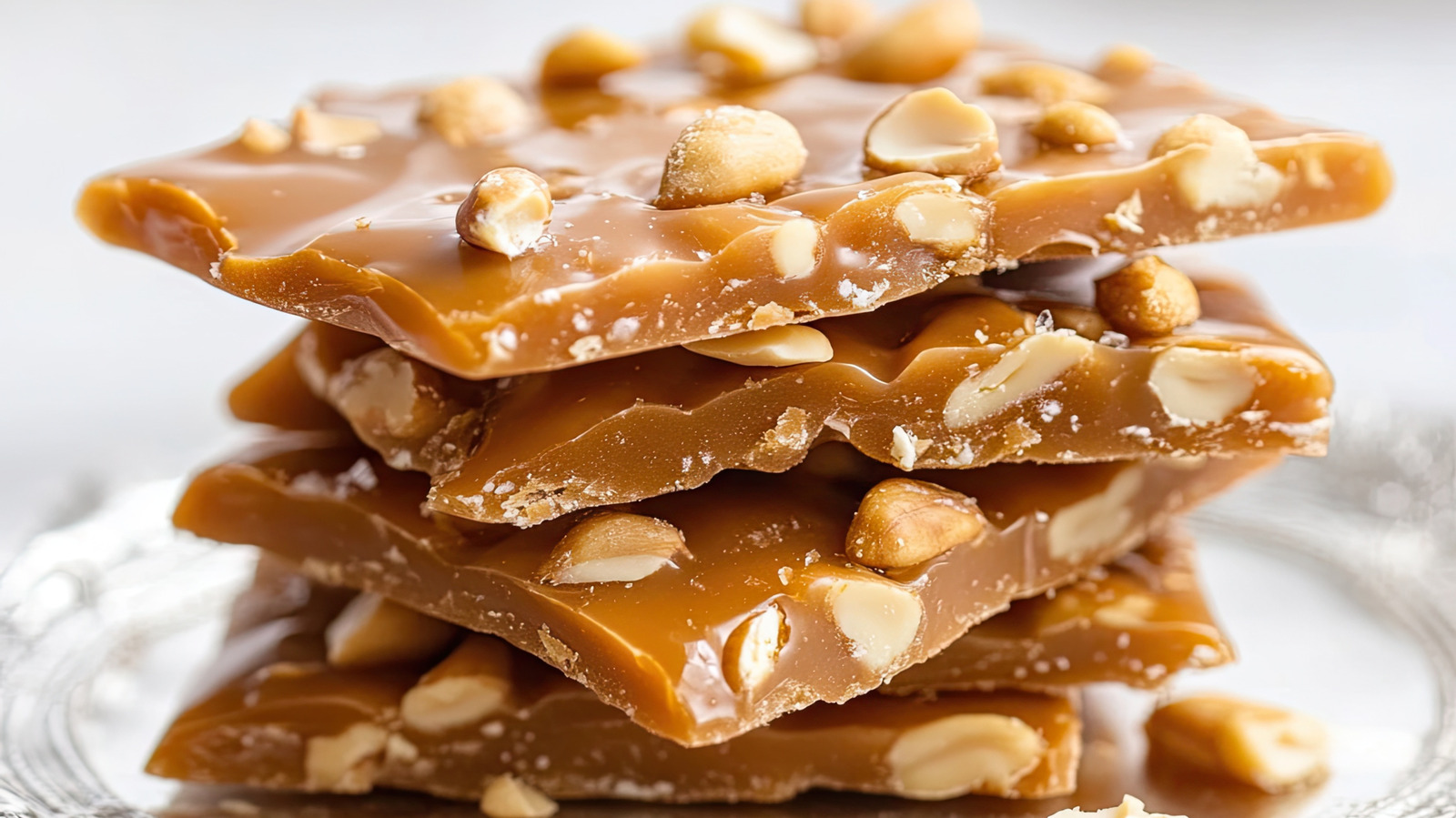
The delightful crunch of homemade peanut brittle is a culinary triumph, a perfect symphony of sweet and salty notes that has graced tables and gift tins for generations. But what truly defines perfection in this beloved candy? Is it a shatteringly crisp texture that melts in your mouth, or a slightly smoother, perhaps more "creamy" sensation that still delivers that satisfying snap? The secret, as it turns out, lies in understanding the interplay of key ingredients and precise technique. Join us as we unlock the mysteries behind achieving your ideal classic peanut brittle, whether you crave ultimate crunch or a velvety-smooth finish before the break.
The Essential Ingredients: Crafting Your Perfect Peanut Brittle
While the magic of peanut brittle might seem complex, it truly comes down to a handful of readily available ingredients. Each plays a pivotal role in shaping the final texture and flavor, influencing whether your brittle is a paradigm of crunch or boasts that sought-after "creamy" smoothness.
The Sweet Foundation: Sugar, Corn Syrup, and Water
- Sugar: White granulated sugar is the backbone of any homemade peanut brittle recipe. When heated, it transforms from crystalline solid to a liquid, then caramelizes, providing both sweetness and that signature golden-amber color. The control of sugar crystallization is paramount to texture.
- Corn Syrup: This often-debated ingredient is a secret weapon for many seeking a perfectly smooth, non-grainy brittle. Light corn syrup acts as an invert sugar, preventing the sugar crystals from reforming too quickly as the candy cools. This anti-crystallization property is what leads to a "creamy texture"—meaning smooth and free of gritty sugar crystals, rather than soft or chewy. For those who prefer a "true old-fashioned flavor and texture" that might be a touch more rustic or prone to very fine crystallization, some recipes omit corn syrup altogether. This choice directly impacts the perceived "creamy" aspect.
- Water: Simple yet essential, water helps dissolve the granulated sugar completely and evenly, ensuring a consistent mixture before the cooking process truly begins. It acts as a medium for the sugar to reach its desired temperature without burning too quickly.
The Flavor Boosters: Salt and Butter
- Salt: A crucial counterpoint to the sweetness, salt enhances all the other flavors in your peanut brittle. A pinch can make a world of difference, preventing the candy from being cloyingly sweet and elevating the nutty profile of the peanuts. If using salted butter, you may adjust or omit additional salt.
- Butter: Unsalted butter adds a luxurious richness and depth to the candy, contributing to a more decadent mouthfeel. It also plays a minor role in preventing sticking and helping with the browning process, developing complex flavors through the Maillard reaction.
The Star and the Secret Weapon: Peanuts and Baking Soda
- Peanuts: Of course, you can't have peanut brittle without the peanuts! Raw peanuts with their skins on are a favorite for many, including culinary producer Nicole McLaughlin, who notes they contribute to a "dark and rich" brittle. Roasting the peanuts yourself can also add another layer of flavor. While peanuts are the classic choice, remember that brittle is customizable; cashews or almonds can also make delightful variations.
- Baking Soda: This unassuming ingredient is the undisputed champion when it comes to achieving that characteristic "brittle" texture. A small amount of baking soda, when added at the very end of the cooking process, reacts with the hot sugar mixture to create tiny carbon dioxide bubbles. These bubbles get trapped within the candy as it cools, making the brittle airy, light, and wonderfully easy to shatter. Without baking soda, your candy would be closer to a hard caramel, lacking that signature crispness.
Mastering the Method: Temperature is Key to Texture
Making peanut brittle is less about complex steps and more about precise timing and temperature. The stovetop process moves quickly, demanding your full attention and preparedness.
The Critical Hard Crack Stage
The most crucial step in achieving perfectly crunchy peanut brittle is reaching the "hard crack stage." This occurs when the sugar syrup reaches a temperature between 300-310°F (149-154°C). At this temperature, the sugar concentration is at its highest, and the moisture content is at its lowest, allowing the candy to become incredibly hard and brittle upon cooling.
- Using a Candy Thermometer: For consistent, reliable results, a good candy thermometer is highly recommended. It takes the guesswork out of the process, ensuring you hit the precise temperature needed for that ideal snap.
- The Cold Water Test: If you don't have a thermometer, an old-fashioned trick is the cold water test. Drop a small amount of the boiling syrup into a bowl of very cold water. If it immediately forms hard, brittle threads that snap easily when removed from the water, it's ready. If it's still pliable, keep cooking.
- Consequences of Error: Undercooking the syrup will result in a soft, chewy, or sticky brittle that lacks the desired crunch. Overcooking, on the other hand, can lead to a burnt taste and dark, bitter candy. Precision is key!
The Rapid Reaction: Why Speed Matters
Once your sugar mixture reaches the hard crack stage and the peanuts and butter are incorporated, the addition of baking soda triggers a swift reaction. This is where "no time for dilly-dallying" comes into play, as culinary producer Nicole McLaughlin aptly warns. The mixture will foam up, and you'll need to immediately pour and spread it thinly onto an oiled or parchment-lined surface. The quicker you spread it, the thinner and more uniformly brittle your candy will be. Nicole's tip about looking for "little pockets of bubbles around the edges" after pouring confirms the baking soda has worked its magic, indicating an "airy, light, and tender" result.
Crunchy vs. "Creamy": Unraveling the Texture Spectrum
The pursuit of perfect peanut brittle often boils down to this perceived textural difference. Let's clarify what "crunchy" and "creamy" truly mean in the world of brittle.
The Pursuit of Perfect Crunch
Achieving that satisfying, shatter-in-your-mouth crunch is the ultimate goal for most brittle enthusiasts. This is primarily achieved through:
- Hard Crack Stage: Cooking the sugar syrup to 300-310°F (149-154°C) is non-negotiable for a truly brittle texture.
- Baking Soda's Role: The aeration from baking soda creates those crucial internal air pockets, allowing the candy to break cleanly rather than bend or chew.
- Thin Spreading: The thinner you can spread the hot candy, the quicker it cools and the crispier it becomes.
- Proper Cooling: Allowing the brittle to cool completely at room temperature is essential for it to fully harden and become crisp.
Understanding "Creamy" in Brittle
When recipes refer to a "creamy texture" in peanut brittle, it's vital to understand this doesn't mean soft or chewy like fudge. Instead, "creamy" in this context refers to a smooth, non-grainy mouthfeel that precedes the crunch. It implies the absence of sugar crystallization, which can make brittle feel gritty or coarse. This smoothness is primarily facilitated by:
- Corn Syrup: As discussed, corn syrup actively inhibits sugar crystal formation, leading to a uniformly smooth candy matrix that is delightful on the tongue before it shatters.
- Controlled Cooking: Even without corn syrup, careful cooking—avoiding stirring once the sugar has dissolved and not introducing foreign particles—can help minimize crystallization for a smoother, though perhaps more rustic, texture.
So, the choice between a super-smooth, crunchy peanut brittle (often achieved with corn syrup) and a slightly more rustic, yet still undeniably crunchy, old-fashioned brittle (which may or may not include corn syrup) is a matter of personal preference. Both deliver the irresistible snap, but their initial mouthfeel can differ.
Expert Tips for Brittle Success and Gifting
Beyond ingredients and temperatures, a few expert insights can elevate your peanut brittle from good to unforgettable:
- Preparation is Paramount: "Have all the ingredients already measured and ready to go before you start cooking," advises Nicole McLaughlin. This cannot be stressed enough. Candy making is a race against cooling temperatures, and fumbling for ingredients will lead to a compromised texture.
- Choose Your Peanuts Wisely: Raw peanuts with skins on can lead to a richer, darker brittle. Experiment with different types of peanuts, or even lightly toast them yourself for an extra layer of flavor.
- Look for the Bubbles: As Nicole points out, visible air pockets around the edges are a sign of successful aeration from the baking soda, promising an airy, light result.
- Perfect for Gifting: Peanut brittle is a fantastic gift because it's relatively easy to make in large batches and keeps well. It’s always a crowd-pleaser, delivering a "little magic surprise" with every piece. For more inspiration on sharing your creations, check out our guide on Master Classic Peanut Brittle: Easy Recipe & Gifting Tips.
Storage Secrets: Keeping Your Brittle Pristine
Once you've achieved brittle perfection, proper storage is essential to maintain its texture and freshness:
- Airtight at Room Temperature: Properly stored in an airtight container at room temperature, peanut brittle will retain its optimal crunch for one to two months. Keep it away from direct sunlight and heat.
- Avoid Refrigeration: Do not refrigerate peanut brittle. The moisture from the fridge will cause the candy to soften and lose its desired brittle texture.
- Freezing for Longevity: Yes, you can freeze peanut brittle for up to three months! However, be aware that freezing can slightly alter the texture. Store it in zip-top freezer bags or freezer-safe containers. Thaw it slowly in the refrigerator overnight or at room temperature for a few hours before serving.
The journey to perfect peanut brittle is a delightful blend of science and culinary artistry. Whether you prioritize a glass-smooth texture through the careful use of corn syrup or a more rustic, classic crunch, understanding the role of each ingredient and mastering the precise temperatures will empower you to create a sweet, salty, and utterly irresistible treat. So gather your ingredients, prepare for a quick dance on the stovetop, and get ready to unlock your own peanut brittle perfection!
